




Living in Vermont, hockey season is part of everyday life. From local rinks to frozen ponds across the Northeast Kingdom, freshly resurfaced ice is something we all appreciate. But have you ever wondered where the machine that smooths the ice—the Zamboni—actually came from?
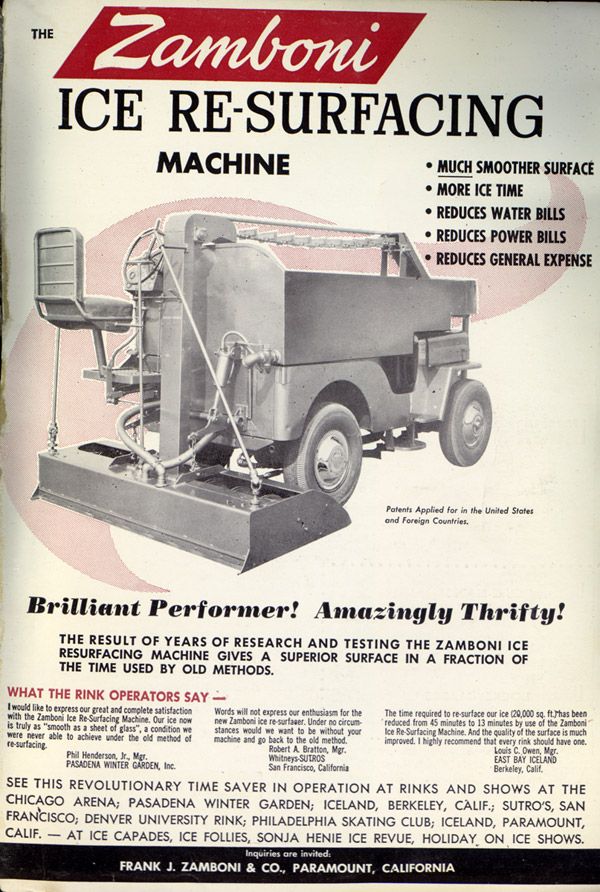
The modern ice resurfacer was invented in 1949 by Frank Zamboni, who owned an ice rink called Paramount Iceland in California. Before his invention, resurfacing the ice was a major task that required a team of workers scraping the ice, shoveling snow, washing it, and smoothing it out. The entire process could take more than an hour between skating sessions.
Frank Zamboni set out to solve this problem and built the first machine capable of doing the entire resurfacing process in a single pass. His invention cut the time to around ten minutes and completely transformed how ice rinks operate.
Here’s where Jeep history comes into the story.
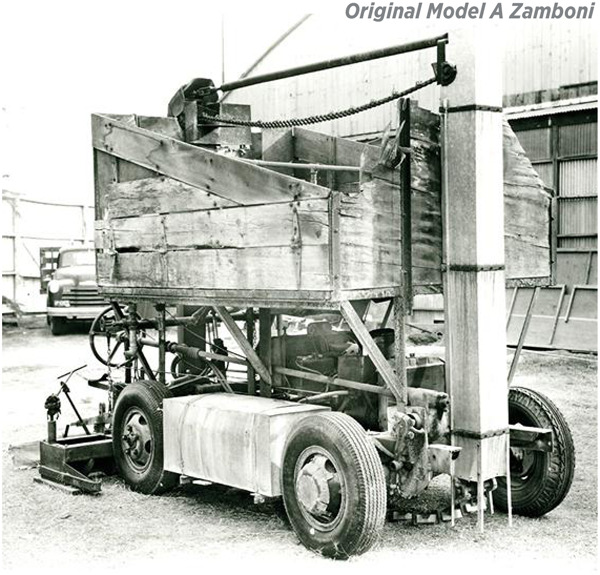
When building the first prototype—known as the Model A—Zamboni used a variety of readily available vehicle parts to make the machine work. Among those components were drivetrain and engine parts from a Willys Jeep, one of the most rugged and reliable vehicles available at the time. Surplus Jeep components from the post–World War II era were widely available and proved to be perfect for powering the early machine.
While Jeep didn’t invent the Zamboni, the durability and engineering of the early Jeep powertrain helped make the first working ice resurfacer possible.
For those of us here in the Northeast Kingdom—where winter roads, backcountry trails, and snowy conditions are part of daily life—it’s a fitting piece of history. Jeep vehicles have long been built to handle tough environments, whether that’s climbing Vermont back roads or helping power one of the most recognizable machines in the world of hockey.
Next time you see the ice being resurfaced before a hockey game or a public skate, there’s a good chance the technology traces back to a machine that once relied on Jeep components to get the job done.
And here in Vermont, that’s a piece of winter history we can certainly appreciate. 🏒🚙
Connect with us


