



Mud season in Vermont gets a bad reputation — messy roads, dirty trucks, and that constant feeling like winter just won’t let go.
But if you’ve lived here long enough, you know something outsiders don’t…
Mud season might actually be one of the most “Vermont” times of the year.
It Means Winter Didn’t Win
Mud season is the transition. It’s proof we made it through another long winter in the Northeast Kingdom.
The snowbanks shrink. The sun starts sticking around a little longer. And for the first time in months, you don’t need to warm your truck up for 15 minutes before heading out.
The Roads Tell a Story
If you drive anywhere outside of town — especially the back roads around St. Johnsbury, Danville, or Burke — you’ll see it firsthand.
Ruts, soft shoulders, and the occasional “you probably shouldn’t go this way” stretch.
That’s not a problem here — that’s just part of life.
And honestly, it’s where vehicles like Jeeps and trucks really earn their keep.
It’s Maple Season
This is the real hidden gem of mud season.
Steam rolling out of sugarhouses. The smell of boiling sap in the air. Local producers working around the clock.
It’s one of the most authentic Vermont experiences there is — and it only happens right now.
You Start Seeing People Again
After a long winter, people start getting out more.
You see it at:
- Local gas stations
- Coffee shops
- Hardware stores
- Even just driving down the road
Mud season has a way of bringing the community back out.
It’s a Different Kind of Driving Season
This time of year reminds you why vehicle choice matters in Vermont.
It’s not about speed or flash — it’s about capability, reliability, and confidence when the road isn’t perfect.
And let’s be honest… roads aren’t always perfect around here.
Final Thought
Mud season isn’t pretty — but it’s real.
It’s a reminder of where we live, what we deal with, and why Vermonters take pride in getting through it year after year.
And if your vehicle can handle mud season in the Northeast Kingdom…
It can handle just about anything.
St. Patrick’s Day in Vermont isn’t about big city parades or packed streets—it’s about something better. It’s about community, tradition, and finding a little extra joy at the tail end of a long winter.
Here in the Northeast Kingdom, March can still feel like winter hasn’t quite let go. Mud season is knocking, the snowbanks are hanging on, and we’re all ready for a change of pace. That’s what makes St. Patrick’s Day such a welcome break—it brings a spark of energy right when we need it most.
You’ll see it everywhere. Local restaurants serving up corned beef and cabbage. Maple producers gearing up for sugaring season. Folks throwing on something green, whether it’s a flannel, a hoodie, or a well-worn hat that’s seen a few Vermont winters. It’s simple, it’s real, and it’s exactly what makes this place special.
In towns like St. Johnsbury, it’s less about big events and more about small moments—grabbing a meal with friends, stopping by your favorite local spot, or just enjoying the longer daylight and the promise of spring around the corner.
And let’s be honest—if there’s one thing Vermonters know, it’s how to make their own luck. Whether it’s getting your truck unstuck in mud season, finding that perfect back road drive, or just making it through another winter, there’s a certain pride that comes with living here.
At St. Johnsbury Chrysler Dodge Jeep Ram, we see that every day. It’s in the customers who come in with stories, the families getting ready for spring adventures, and the community that continues to support local businesses year after year.
So today, whether you’re celebrating with a hearty meal, a cold drink, or just enjoying the fresh Vermont air—take a moment to appreciate where you are and the people around you.
Because around here, that’s what St. Patrick’s Day is really about.
Happy St. Patrick’s Day from all of us at St. Johnsbury CDJR! 🍀
Just a short drive from St. Johnsbury sits one of the Northeast Kingdom’s most iconic landmarks — Burke Mountain. While today it’s known for skiing, biking, and incredible views, its history goes back much further than most people realize.
Early Days in the NEK
Long before ski lifts and mountain bikes, Burke Mountain was used primarily for timber harvesting and farming. In the 1800s, the surrounding hills were filled with logging operations that helped build the local economy of the Northeast Kingdom.
Farmers and loggers used the mountain trails to move timber and supplies between towns like Burke, Lyndon, and St. Johnsbury.
The Birth of Skiing at Burke
In the 1930s, skiing began gaining popularity across Vermont. Local enthusiasts recognized that Burke Mountain had the perfect terrain and snowfall for the growing sport.
By the 1950s, Burke had officially developed into a ski area, drawing visitors from across New England. Over time it grew into one of Vermont’s most beloved mountains — known for challenging terrain, deep snow, and incredible views of the White Mountains.
A Training Ground for Champions
Burke Mountain became internationally recognized thanks to Burke Mountain Academy, a world-renowned ski racing school that trains elite athletes.
One of its most famous graduates is Olympic legend Mikaela Shiffrin, who spent years training on the slopes of Burke before becoming one of the most decorated ski racers in history.
Still a Northeast Kingdom Treasure
Today, Burke Mountain continues to be a four-season destination for the Northeast Kingdom. From skiing in winter to mountain biking on the famous Kingdom Trails in summer, it remains a huge part of the region’s identity.
For those of us living in and around St. Johnsbury, it’s more than just a mountain — it’s a reminder of the outdoor spirit that defines the NEK.
Every spring in Vermont, a familiar sight appears across the hills and forests of the Northeast Kingdom—buckets and tubing hanging from maple trees. Maple sugaring season is one of the most iconic traditions in Vermont, and communities around St. Johnsbury have been producing maple syrup for generations.
A Tradition Rooted in Vermont History
Long before modern equipment and sugarhouses, Indigenous peoples of the Northeast were the first to discover that sap from maple trees could be boiled down into a sweet syrup. Early settlers in Vermont adopted these techniques and began producing maple sugar and syrup as an important food source during the late winter months.
Over time, maple production became a cornerstone of Vermont’s agricultural identity. Today, Vermont produces more maple syrup than any other state in the country, and the forests surrounding St. Johnsbury and the Northeast Kingdom play a major role in that production.
Why the Northeast Kingdom Is Perfect for Maple Syrup
The climate of the Northeast Kingdom creates the ideal conditions for maple sugaring. The season typically begins in late February or early March when daytime temperatures rise above freezing while nights remain cold. These temperature swings cause sap to flow through the maple trees, allowing producers to collect it.
It takes roughly 40 gallons of maple sap to produce just one gallon of pure maple syrup, which is why the process is both labor-intensive and highly valued.
Sugarhouses Across the NEK
Driving around St. Johnsbury, Lyndon, Danville, and the surrounding towns this time of year, you may notice steam rising from small buildings tucked into the woods. These are sugarhouses, where sap is boiled down for hours until it becomes Vermont’s famous maple syrup.
For many families in the Northeast Kingdom, sugaring is more than just a business—it’s a tradition passed down from generation to generation.
A Sweet Part of Life in the NEK
Maple syrup is more than just a breakfast staple in Vermont. It’s a symbol of the region’s heritage, hard work, and connection to the land. Each bottle represents countless hours spent collecting sap, tending fires, and carefully boiling it down to perfection.
Here at St. Johnsbury Chrysler Dodge Jeep Ram, we’re proud to live and work in a region where traditions like maple sugaring are still alive and thriving. The Northeast Kingdom is a special place, and maple season is one of the many reasons we’re lucky to call it home.
So the next time you pour Vermont maple syrup over your pancakes, remember—there’s a good chance it started right here in the forests of the Northeast Kingdom. 🍁 Vermont Maple
Moore Dam — Waterford, Vermont
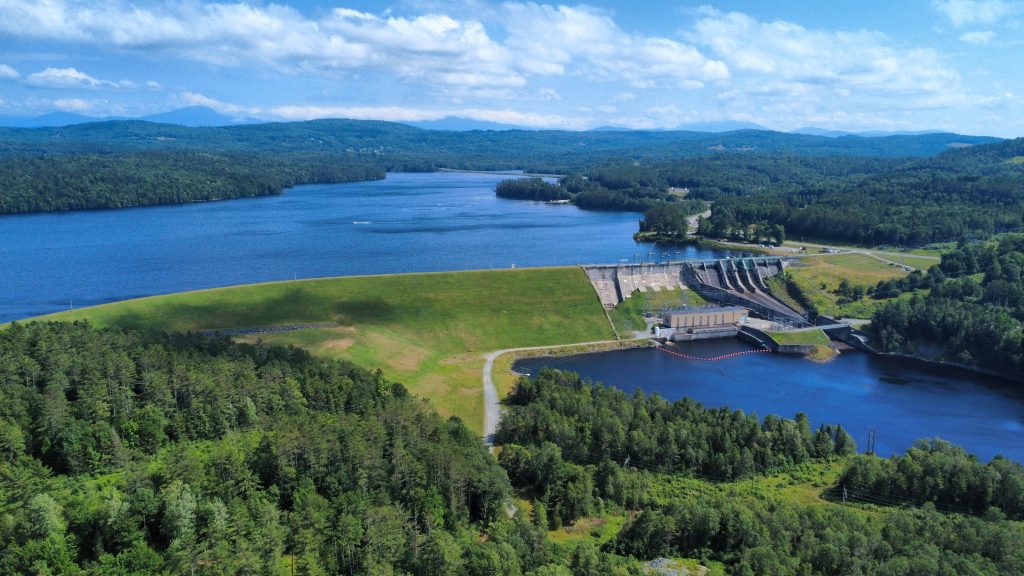
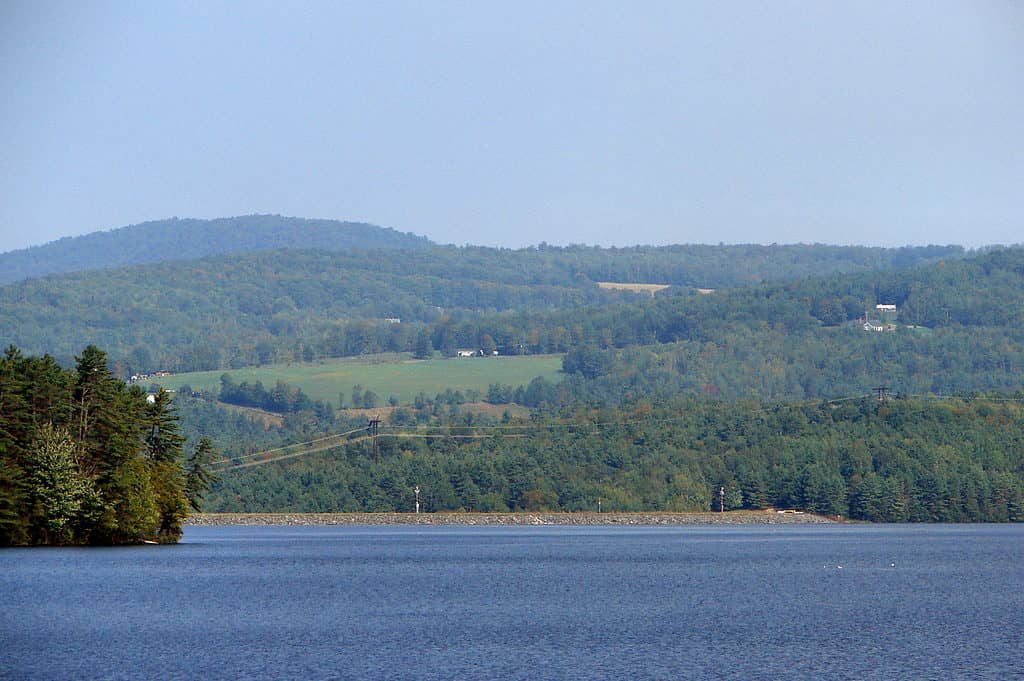
The Moore Dam in Waterford, Vermont is a major hydroelectric dam on the Connecticut River that was built in the mid-20th century as part of the region’s push to generate renewable electricity and control river flow in New England.
Early Vision for Hydropower
By the early 1900s, the Connecticut River had already been used for mills and small dams, but the growing demand for electricity across Vermont, New Hampshire, and Massachusetts led utilities to look for larger hydroelectric projects.
The river’s steep elevation drop through the Upper Connecticut River Valley made it an ideal location for a major power facility.
Construction of the Dam
- Construction began: 1949
- Completed: 1956
- Built by: New England Power Company
- Current owner/operator: Great River Hydro
The project required massive excavation and the creation of a large reservoir upstream.
When the dam was completed, it formed Moore Reservoir, which stretches roughly 15 miles upstream toward Littleton, New Hampshire.
Engineering & Power Generation
Moore Dam was designed as a concrete gravity dam, meaning its own weight holds back the water.
Key features include:
- Height: about 178 feet
- Length: roughly 920 feet
- Generating capacity: approximately 192 megawatts
- Turbines: four hydroelectric generating units
Water from the Connecticut River flows through the turbines, spinning generators that produce electricity for the regional power grid.
Role in the Connecticut River System
Moore Dam is one of several hydroelectric dams along the Connecticut River. It works together with nearby dams such as:
- Comerford Dam
- McIndoes Dam
These dams regulate water levels, generate electricity, and help control flooding along the river.
Impact on the Local Area
The creation of Moore Reservoir changed the landscape of the region:
- Flooded farmland and riverbanks upstream
- Created a long lake used for boating, fishing, and recreation
- Became a scenic part of the Northeast Kingdom and Upper Valley
Today the reservoir is known for salmon, lake trout, and smallmouth bass fishing.
Moore Dam Today
Today Moore Dam remains one of the largest hydroelectric facilities on the Connecticut River and plays an important role in supplying renewable energy to New England.
It is also part of the federally regulated Connecticut River hydro system under licenses from the Federal Energy Regulatory Commission.
✅ Local NEK connection:
Moore Dam is only about 15 minutes from St. Johnsbury, and many residents fish, boat, or snowmobile around the reservoir in Waterford and Littleton. Moore Dam
Few vehicles have a story as interesting—or as important—as the Jeep. The brand that many Vermonters rely on today for navigating snow, mud, and back roads actually began as a vehicle built for one of the most significant moments in world history.
In 1940, the United States Army realized it needed a lightweight, highly capable reconnaissance vehicle for military use. The Army sent out a request to several American automakers asking them to design a rugged, go-anywhere vehicle that could handle rough terrain, carry equipment, and be easily repaired in the field.
Only a few companies answered the challenge, most notably Willys-Overland and Ford. The prototype that emerged from this effort eventually became known as the Willys MB, the original Jeep.
Built for the Toughest Conditions
The Jeep was designed with several features that were revolutionary at the time:
- Four-wheel drive for maximum traction
- High ground clearance to handle rough terrain
- A lightweight but durable frame
- Simple mechanical systems that soldiers could repair quickly
More than 600,000 military Jeeps were produced during World War II. They were used everywhere—from the beaches of Normandy to the mountains of Europe and the jungles of the Pacific.
General Dwight D. Eisenhower later said that the Jeep was one of the most important vehicles used by the Allied forces during the war.
From Battlefield to Back Roads
After the war ended, Willys realized the Jeep’s rugged design could be just as useful for farmers, construction workers, and outdoor enthusiasts. In 1945, the first civilian Jeep—known as the CJ (Civilian Jeep)—was introduced.
It didn’t take long for the Jeep to develop a reputation for going places other vehicles simply couldn’t.
A Perfect Fit for Vermont
Fast forward to today, and the same rugged capability that helped soldiers cross battlefields now helps drivers across Vermont navigate snowstorms, steep hills, muddy roads, and the winding back roads of the Northeast Kingdom.
It’s one of the reasons the Jeep brand continues to feel right at home here in places like St. Johnsbury and throughout the NEK. https://www.jeep.com/history.html
More than 80 years after the first Jeep rolled off the assembly line, the brand’s mission hasn’t changed much: build vehicles that can go anywhere and handle whatever the road—or trail—throws at them.
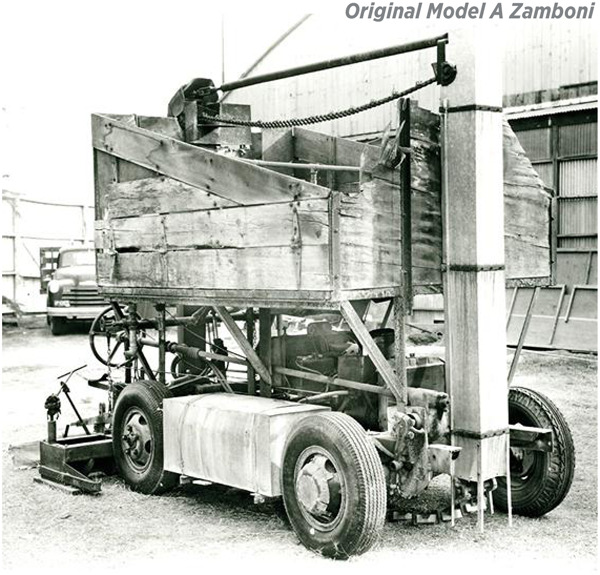
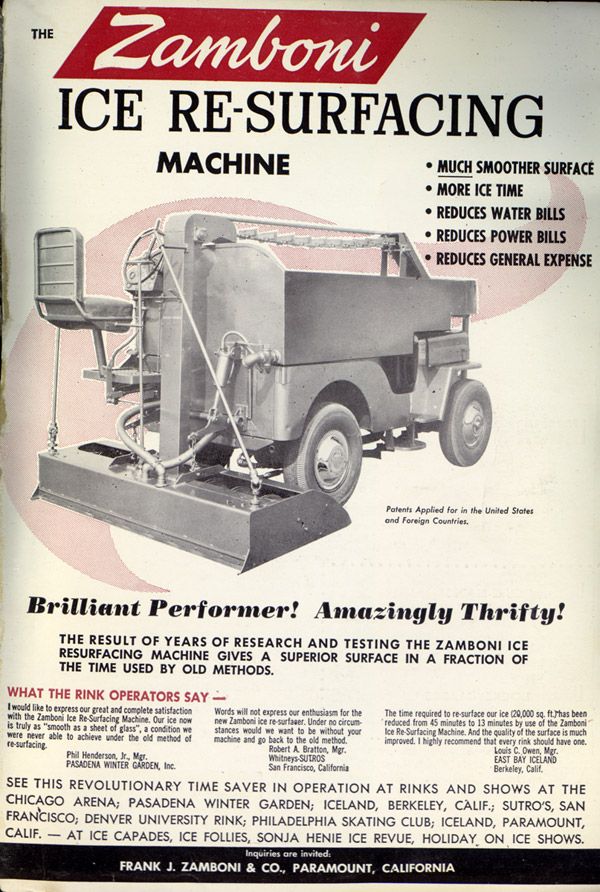
Living in Vermont, hockey season is part of everyday life. From local rinks to frozen ponds across the Northeast Kingdom, freshly resurfaced ice is something we all appreciate. But have you ever wondered where the machine that smooths the ice—the Zamboni—actually came from?
The modern ice resurfacer was invented in 1949 by Frank Zamboni, who owned an ice rink called Paramount Iceland in California. Before his invention, resurfacing the ice was a major task that required a team of workers scraping the ice, shoveling snow, washing it, and smoothing it out. The entire process could take more than an hour between skating sessions.
Frank Zamboni set out to solve this problem and built the first machine capable of doing the entire resurfacing process in a single pass. His invention cut the time to around ten minutes and completely transformed how ice rinks operate.
Here’s where Jeep history comes into the story.
When building the first prototype—known as the Model A—Zamboni used a variety of readily available vehicle parts to make the machine work. Among those components were drivetrain and engine parts from a Willys Jeep, one of the most rugged and reliable vehicles available at the time. Surplus Jeep components from the post–World War II era were widely available and proved to be perfect for powering the early machine.
While Jeep didn’t invent the Zamboni, the durability and engineering of the early Jeep powertrain helped make the first working ice resurfacer possible.
For those of us here in the Northeast Kingdom—where winter roads, backcountry trails, and snowy conditions are part of daily life—it’s a fitting piece of history. Jeep vehicles have long been built to handle tough environments, whether that’s climbing Vermont back roads or helping power one of the most recognizable machines in the world of hockey.
Next time you see the ice being resurfaced before a hockey game or a public skate, there’s a good chance the technology traces back to a machine that once relied on Jeep components to get the job done.
And here in Vermont, that’s a piece of winter history we can certainly appreciate. 🏒🚙
By late February, your vehicle has been through a lot—whether you realize it or not.
Here in the Northeast Kingdom, winter doesn’t just test drivers… it quietly wears down your vehicle day after day. And right about now is when those small issues start turning into bigger (and more expensive) ones.
Here are five things Vermont winter is doing to your vehicle—and what you can do about it.
1. Salt Is Eating Away at Your Undercarriage
Road salt is necessary—but it’s brutal on your vehicle. Over time, it can lead to corrosion on your frame, brake lines, and suspension components.
What to do:
If you haven’t recently, now is a great time for a thorough wash—especially the undercarriage. It’s one of the easiest ways to prevent long-term damage.
2. Your Battery Is Losing Strength
Cold temperatures slow down your battery’s ability to hold a charge. By late winter, many batteries are running on borrowed time.
Warning signs:
- Slow engine crank
- Dim lights
- Clicking when starting
What to do:
Have your battery tested before it leaves you stranded on a cold morning.
3. Potholes Are Taking a Toll
Freeze-thaw cycles create potholes—and your suspension feels every one of them.
You might notice:
- Steering pulling to one side
- Uneven tire wear
- Vibrations while driving
What to do:
An alignment check now can save your tires (and your wallet) heading into spring.
4. Your Brakes Have Been Working Overtime
Snow, slush, and stop-and-go winter driving put extra stress on your braking system.
What to watch for:
- Squeaking or grinding
- Longer stopping distances
- A soft brake pedal
What to do:
Don’t ignore brake noise—getting them inspected now can prevent bigger repairs later.
5. Fluids Are Breaking Down Faster
Extreme temperatures affect everything from your oil to your coolant and DEF system.
What to do:
A quick multi-point inspection ensures everything is topped off and performing the way it should.
Why This Matters Right Now
Late winter is the sweet spot.
You’ve made it through the toughest conditions—but spring (and mud season) is right around the corner. Taking care of these items now means fewer surprises when the weather turns and you’re back to driving more.
We’ve Got You Covered
At St. Johnsbury Chrysler Dodge Jeep Ram, we know exactly what Vermont roads do to vehicles—because we drive them too.
If you want peace of mind heading into spring, stop in and let our team take a look. Quick, easy, and no pressure—just making sure you’re ready for whatever comes next.
Schedule your service today or stop by and see us on Memorial Drive—just past the railroad tracks.
St. Johnsbury CDJR – Keeping Vermont Drivers Moving.
In a world that moves fast, there’s something special about a place where people still slow down long enough to wave, lend a hand, and show up for one another.
That’s St. Johnsbury.
It’s not just where we work — it’s where we live, raise our families, and build relationships that go far beyond business.
🤝 A Community That Shows Up
Whether it’s a Friday night game, a local fundraiser, or just helping a neighbor dig out after a storm, this town has a way of coming together.
You see it in:
- Parents supporting local sports teams
- Small businesses backing each other
- Community members stepping up when someone needs help
That’s not something every town has — and it’s something we don’t take for granted.
🎓 Built Around Strong Roots
Institutions like St. Johnsbury Academy and the historic St. Johnsbury Athenaeum help shape the culture of this community.
They’re more than landmarks — they’re places where people grow, learn, and connect.
And organizations like Catamount Arts continue to bring creativity, music, and events right into the heart of town. St Johnsbury Academy Catamount Arts St Johnsbury Athenaeum
🏔️ Life in the Northeast Kingdom
Living here means something different.
It means:
- Back roads instead of highways
- Knowing your customers by name
- Taking pride in hard work and honesty
The Northeast Kingdom isn’t for everyone — but for those of us who are here, there’s nowhere else we’d rather be.
🚗 Proud to Be Part of It
At St. Johnsbury Chrysler Dodge Jeep Ram, we don’t just serve this community — we’re part of it.
We see our customers at the grocery store.
At school events.
At local games.
That connection matters.
❤️ More Than a Dealership
At the end of the day, this is bigger than selling vehicles.
It’s about:
- Supporting the people around us
- Being a business the community can trust
- Showing up, just like this town always does
We’re proud to call St. Johnsbury home.
And we’re even prouder to serve the people who make it what it is.
Tax Season in Vermont: Why Right Now Might Be the Smartest Time to Upgrade Your Vehicle

Tax season is officially here, and for many drivers across Vermont, that means one thing — opportunity.
Whether it’s catching up financially, planning ahead, or finally making a move you’ve been putting off, your tax refund can be a powerful tool. And when it comes to your vehicle, timing matters more than most people realize.
💡 Why Tax Season Is a Strategic Time to Buy
Every year, we see a surge in customers this time of year — and it’s not by accident.
Your tax refund can:
- Help cover or reduce your down payment
- Offset negative equity from your current vehicle
- Lower your monthly payment structure
- Give you flexibility you didn’t have just a few months ago
For many drivers, this is the moment where upgrading actually becomes possible.
🚗 Still Owe on Your Current Vehicle?
One of the biggest misconceptions we hear is:
“I can’t trade my vehicle because I still owe money on it.”
The reality is — that doesn’t automatically disqualify you.
In many cases:
- Your current loan can be evaluated and paid off as part of the process
- Remaining balances may be included in new financing (with approved credit)
- Lenders offer programs specifically designed for trade-ins with existing loans
Every situation is different, but there are often more options than people expect.
❄️ Vermont Driving Isn’t Getting Easier
Let’s be honest — February and March in the Northeast Kingdom can be some of the toughest driving months of the year.
If your current vehicle is:
- Struggling in snow or mud
- Racking up repair bills
- Lacking the safety or capability you need
…it might be time to consider something more reliable and better suited for Vermont roads.
🔧 It’s Not Just About a New Vehicle — It’s About Peace of Mind
Upgrading your vehicle isn’t just about getting something newer — it’s about:
- Confidence in winter conditions
- Reliability for your daily commute
- Safety for you and your family
- Avoiding unexpected repair costs
Those are things that matter every single day here in Vermont.
📍 Here to Help You Explore Your Options
At St. Johnsbury Chrysler Dodge Jeep Ram, we work with drivers from all over the Northeast Kingdom to review their situation and help them understand what’s possible.
No pressure — just real conversations about:
- Your current vehicle
- Your goals
- And what options may be available to you
If you’ve been thinking about making a change, tax season might be your window.
Stop by and see us on Memorial Drive — just over the railroad tracks — or reach out online to get started.
You might have more options than you think.


