


St. Johnsbury CDJR Financing & Pricing FAQs
At St. Johnsbury CDJR we aim to make the car-buying process feel clear, relaxed, and easy to navigate. From straightforward pricing to flexible financing solutions, our team is here to help you every step of the way, without pressure. Below are answers to some of the most common questions we hear from customers.
If you have a question that’s not covered here, don’t hesitate to reach out. We’re here to help!
Other FAQ Posts:
- What is the BIG Deal Plus+ Program? (coming soon)
- Buying Process (coming soon)
- Trade-Ins & Vehicle Value (coming soon)
- Vehicle Options (coming soon)
- Trust & Reputation (coming soon)
- Ready to Get Started? (coming soon)
Do your prices include all fees, or are there extras later?
We believe in keeping things upfront. All dealer fees are already included in our advertised pricing, so there are no unexpected add-ons. Taxes, title, and registration are separate since they are dependent on your zip code, but we’ll review everything in detail before you complete your purchase.
Can you help with financing if my credit needs work?
Yes. We work with a wide range of lenders to help customers in many different credit situations. Whether your credit is strong, improving, or challenged, we’ll take the time to find options that fit your needs.
What specials, discounts, and incentives do you offer?
At St. Johnsbury CDJR we offer:
- Dealer discounts on Chrysler, Dodge, Jeep, and Ram models
- Manufacturer incentives and rebates
- Lease offers
- Affordable pre-owned inventory
Every purchase includes our BIG Deal Plus+ maintenance program, giving you additional value and benefits at no extra charge.
Will I get a good deal?
We work hard to make sure you are. Our pricing is based on current market conditions, helping ensure you’re getting a competitive value right from the start.
If you’ve seen a better offer elsewhere, bring it in! We’re happy to take a look and will do our best to match or beat it. Our goal is to make sure you feel confident and comfortable with your decision.
What’s the difference between leasing and financing?
Leasing lets you drive a new vehicle for a set period while paying for the portion you use. Financing means you’re working toward ownership by making payments over time.
Should I finance or lease?
It depends on your lifestyle, budget, and how you plan to use your vehicle.
Leasing may be a good option if you:
- Prefer lower monthly payments
- Like getting into a new vehicle every few years
- Drive fewer miles and can stay within lease limits
Financing might be the better choice if you:
- Plan to keep your vehicle long-term
- Want to build equity and ownership
- Drive a lot or don’t want mileage restrictions
Our team will walk you through both options so you can make the best choice for your situation.
Curious about leasing? Take a look at our lease specials post to learn how we will build a lease that works for your budget and driving habits.
Have questions or ready to take the next step?
We’re here to make the process smooth and straightforward. Contact our team at St. Johnsbury CDJR today and let us help you move forward with confidence.
St. Johnsbury CDJR Car Buying Process FAQs
At St. Johnsbury CDJR, we believe the car-buying experience should be clear, comfortable, and tailored to you. Whether you’re considering a Jeep for your next adventure, a Ram for the job site, or a Chrysler or Dodge for everyday driving, our team is here to guide you through the process with no surprises.
Every vehicle also comes with our BIG Deal Plus+ maintenance program, included at no additional cost for extra peace of mind.
To help you get started, we’ve put together answers to some of the most frequently asked questions we hear from customers.
Other FAQ posts:
- What is the BIG Deal Plus+ Program? (coming soon)
- Financing & Pricing
- Trade-Ins & Vehicle Value (coming soon)
- Vehicle Options (coming soon)
- Trust & Reputation (coming soon)
- Ready to Get Started? (coming soon)
How long does the process at the dealership take?
Most purchases can be completed within a few hours. The exact timing depends on your individual situation, including financing and whether you have a trade-in.
If you’d like to move things along faster, you can start online by browsing inventory and filling out a credit application ahead of time.
What should I bring with me to the dealership?
To help your visit go smoothly, we recommend bringing:
- A valid driver’s license
- Proof of insurance
- Trade-in documentation (title, registration, or payoff information, if applicable)
- Second key for your trade-in (if applicable)
- A form of payment for your down payment
Having these items ready can help streamline your experience.
Do I need an appointment?
No! You’re always welcome to stop by without an appointment.
However, if your goal is efficiency, scheduling ahead is the best option. It allows our team to prepare in advance, including having your vehicle of interest ready, so your visit is quick and seamless.
Can I do everything remotely?
Yes, you can complete much, or all, of your purchase remotely. Our team can assist with selecting a vehicle, reviewing trade-in values, arranging financing, completing paperwork electronically, and coordinating delivery.*
If you prefer to begin on your own, our website allows you to:
- Browse current inventory
- Estimate your trade-in value
- Apply for financing
- Build your deal
*We offer free delivery within VT, NH, ME, MA, CT, and NY. If you’re outside this area, we’ll help arrange transportation.
Do you offer vehicle delivery?
Yes, we provide complimentary delivery and trade-in pickup throughout Vermont and surrounding states, including New Hampshire, Maine, Massachusetts, Connecticut, and New York. In some cases, we may also be able to bring a vehicle to you for a test drive locally. Just contact us for details and availability!
For customers outside this region, we can help coordinate vehicle shipping options.
Can I purchase from out of state?
Absolutely. We regularly assist out-of-state customers and can walk you through the entire process remotely, including helping to arrange vehicle shipping right to your door.
Can I reserve a vehicle before buying?
In many cases, yes. If you’ve found a vehicle you’re interested in, we may be able to hold it temporarily with a deposit. We recommend reaching out quickly to confirm availability.
Ready to get started?
Whether you’re looking for a capable Ram truck, an adventure-ready Jeep, or a comfortable daily driver, St. Johnsbury CDJR is here to help you find the right fit. Have questions or are you ready to take the next step? Reach out to our team today! We’re here to make the process simple and straightforward. We look forward to working with you!


On May 29, 1953, Sir Edmund Hillary and Tenzing Norgay became the first people confirmed to reach the summit of Mount Everest, the highest point on Earth. Their achievement remains one of the greatest examples of determination, preparation, and adventure.
What Does Everest Have to Do with Vermont?
More than you might think.
Life in Vermont is built around adventure. Whether it’s hiking Burke Mountain, exploring the Northeast Kingdom’s backroads, fishing remote ponds, or taking a Jeep on a weekend trail ride, Vermonters have always embraced the outdoors.
The spirit that drove Hillary and Norgay to the top of Everest is the same spirit that drives people across the Northeast Kingdom to get outside, explore new places, and take on new challenges.
A Great Time to Explore the NEK
With summer just around the corner, now is a great time to start planning outdoor adventures. Some local favorites include:
- Hiking Burke Mountain
- Exploring the trails around Victory Basin
- Visiting Lake Willoughby
- Driving Vermont’s scenic backroads
- Camping throughout the Northeast Kingdom
Whether you’re heading into the mountains, towing a camper, or loading up the family for a weekend getaway, having the right vehicle can make every adventure more enjoyable.
Where Vermont Comes to Drive
At St. Johnsbury Chrysler Dodge Jeep Ram, we’re proud to help Vermonters explore everything our state has to offer. From Jeep Wranglers built for adventure to Ram trucks ready for work and play, we’re here to help you get wherever the road—or trail—takes you.
What adventure is on your bucket list this summer?
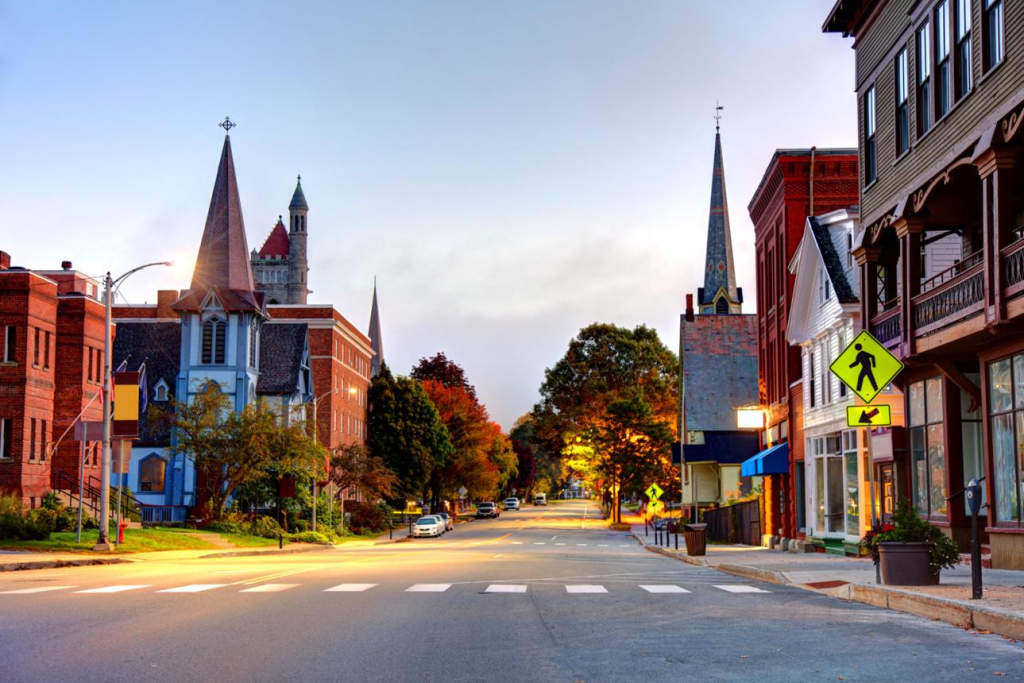
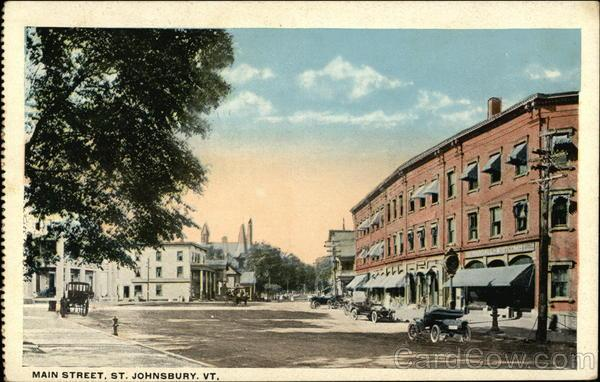
Long before interstate highways crossed Vermont, Route 2 was one of the most important roads in northern New England.
Running directly through St. Johnsbury and much of the Northeast Kingdom, Route 2 connected local communities, farms, rail stations, and businesses decades before modern travel existed. In many ways, it helped shape the growth of towns across Vermont.
Before Interstate 91
Before I-91 opened, Route 2 carried much of the east-west traffic through northern Vermont. Travelers heading across the state passed directly through downtown St. Johnsbury.
Local restaurants, gas stations, general stores, and small businesses all depended heavily on Route 2 travelers.
A Road Built for Vermont
Unlike modern interstates, Route 2 follows the terrain of Vermont itself — winding through hills, rivers, villages, and farmland. Even today, many Vermonters still prefer the scenic drive over the highway.
In the fall especially, Route 2 becomes one of the most scenic drives anywhere in New England.
St. Johnsbury’s Role
St. Johnsbury has long been considered a gateway to the Northeast Kingdom. Thanks to Route 2, the town became an important stop for commerce, tourism, and transportation throughout Vermont history.
Even today, thousands of drivers pass through the area every week heading toward:
- The White Mountains
- Burke Mountain
- Northern Vermont lakes
- Canada
- The Northeast Kingdom trail systems
Vermont Driving Has Changed — But Some Things Haven’t
Vehicles today are more advanced than ever, but Vermonters still need dependable transportation capable of handling changing weather, dirt roads, long winters, and mountain terrain.
That’s one reason trucks, SUVs, and Jeeps remain so popular throughout the region.
At St. Johnsbury Chrysler Dodge Jeep Ram, we’re proud to continue serving drivers in a town with such a long transportation history.
The Northeast Kingdom is starting to feel like summer again, and there’s plenty happening around St. Johnsbury and the surrounding area this weekend. Whether you’re looking for live music, local food, outdoor adventures, or just a reason to get out and enjoy Vermont, there’s no shortage of things to do.
Explore Downtown St. Johnsbury
One of the best weekend stops in town is the St Johnsbury Farmer’s Market at Depot Square on Saturday morning. Local vendors bring everything from fresh produce and baked goods to maple syrup, meats, flowers, and handmade crafts. Downtown St. Johnsbury continues to be one of the best places in the NEK to spend a Saturday morning.


7
Outdoor Adventure Season Is Back
This is also one of the best weekends to get outside and explore the Northeast Kingdom. Kingdom Trails and Burke Mountain are beginning to get busier with hikers, bikers, and outdoor enthusiasts enjoying warmer weather and longer days.
From scenic drives and mountain views to fishing spots and back roads, there’s no shortage of places to explore throughout the NEK this time of year.


6
Local Food, Music & Nightlife
Downtown restaurants, bars, and entertainment spots around St. Johnsbury are also picking up heading into Memorial Day weekend. Whether you’re grabbing dinner, catching live music, or meeting friends downtown, there’s plenty happening around the area.


6
At St. Johnsbury Chrysler Dodge Jeep Ram, we love seeing people get out and enjoy everything the Northeast Kingdom has to offer this time of year. Whether you’re headed to the mountains, the lake, or just taking a scenic drive through Vermont, we hope you have a great weekend exploring the NEK.


5
May 14th is one of those dates in history where big moments happened—events that helped shape the country we live in today. And while those moments didn’t happen here in Vermont, their impact is felt even in a place like the Northeast Kingdom.
1607 – The Start of Something New
On May 14, 1607, settlers established Jamestown, the first permanent English settlement in North America.
It marked the beginning of a new chapter in American history—one that would eventually lead to the growth of towns and communities all across the country.
Places like St. Johnsbury didn’t exist yet, but this was the starting point for everything that came after.
1804 – Heading Into the Unknown
On this day in 1804, the Lewis and Clark expedition officially began its journey west.
They set out to explore uncharted territory, map the land, and better understand a country that was still largely unknown.
That same spirit—exploration, independence, and resilience—is something that still defines places like the Northeast Kingdom today.
1973 – Reaching Beyond the Earth
Fast forward to 1973, and May 14th marked the launch of Skylab, America’s first space station.
From wooden forts… to exploring the frontier… to launching into space—this date shows just how far things have come.
What Does That Have to Do With the NEK?
Here in the Northeast Kingdom, life moves at a different pace—but the values haven’t changed:
- Independence
- Hard work
- Exploration
- Community
Whether it’s navigating dirt roads, building something from the ground up, or simply making a life in a place you’re proud to call home, there’s a connection between those historic moments and everyday life here in Vermont.
A Different Kind of History—Still Being Written
While the history books talk about Jamestown, Lewis & Clark, and space exploration, the Northeast Kingdom has its own story—one that’s still being written every day.
It’s in the small businesses.
It’s in the families that have been here for generations.
It’s in the people who choose to live and work here.
And it’s in every drive through backroads, every trip through town, and every stop along the way.
From Then to Now
From the first settlement…
To exploring a continent…
To reaching space…
And today—right here in St. Johnsbury, Vermont.
We’re proud to be part of this community and part of the story that continues to grow every day.
Stop by St. Johnsbury Chrysler Dodge Jeep Ram on Memorial Drive—just past the railroad tracks.
Where Vermont comes to drive.


4
If you stood on the roads of St. Johnsbury 100 years ago, you wouldn’t hear engines—you’d hear horses, wagon wheels, and maybe the whistle of a passing train.
Today, those same roads are filled with trucks and SUVs built for performance. But while the vehicles have changed, Vermont driving hasn’t gotten any easier—it’s just gotten more capable.
The Early Days: Dirt Roads and Tough Travel


6
In the early 1900s, getting between towns like Lyndon and Danville wasn’t simple. Roads were rough, often muddy, and completely at the mercy of the weather.
Back then, reliability meant having a strong horse and a lot of patience.
Interestingly, the challenges haven’t changed much. Mud, snow, and uneven terrain are still part of daily life here in the Northeast Kingdom.
When Cars First Arrived


7
The first cars in Vermont weren’t exactly built for what we deal with today.
Early vehicles struggled with:
- Traction on dirt and mud
- Low ground clearance
- Limited braking capability
Drivers needed skill—and a bit of luck—to get where they were going. Sound familiar during mud season?
Built for Vermont: Modern Capability


4
Fast forward to today, and vehicles are finally built for the kind of conditions we face every day.
Models like the Jeep Wrangler and Ram 1500 are designed with:
- Advanced 4×4 systems for traction
- Higher ground clearance for rough roads
- Suspension systems built to handle uneven terrain
What used to be a challenge is now something your vehicle is engineered to handle.
What Hasn’t Changed
Even with all the advancements, Vermont driving still demands respect.
- Weather can change quickly
- Road conditions can shift overnight
- Experience still matters
Technology helps—but knowing how to handle Vermont roads is still key.
From Then to Now
From horse-drawn wagons to modern 4×4 trucks, driving in Vermont has always been about adapting to the environment.
The difference today? You’ve got better tools to do it.
If your current vehicle feels like it belongs in the early 1900s, it might be time to experience what modern capability really looks like.
Stop by St. Johnsbury Chrysler Dodge Jeep Ram on Memorial Drive—just past the railroad tracks—and see the difference for yourself.


5
If you live in Vermont—especially here in the Northeast Kingdom—you already know this isn’t an easy place on vehicles.
Between road salt, mud season, potholes, and long winters, we see firsthand what holds up… and what doesn’t. Every day in our service department at St. Johnsbury CDJR, we’re working on vehicles with 150,000, 200,000, even 250,000 miles on them.
And there’s a clear pattern.
It’s Not Just the Brand — It’s How the Vehicle Is Owned
Everyone wants to know: “What vehicle lasts the longest?”
The reality is, it’s not that simple.
Yes, certain trucks and SUVs—especially Ram trucks and Jeep models—tend to perform well in Vermont conditions. But the vehicles we see go the distance all have a few things in common, regardless of brand.
1. Consistent Maintenance Wins Every Time
The longest-lasting vehicles we see aren’t always the newest—they’re the most consistently maintained.
We’re talking:
- Regular oil changes (not stretched out)
- Keeping up with recommended service intervals
- Addressing small issues before they turn into big ones
The difference between a truck that makes it to 200,000 miles and one that doesn’t usually comes down to discipline, not luck.
2. Undercarriage Protection Is Everything in Vermont
If you drive in Vermont, salt is your vehicle’s biggest enemy.
The trucks that hold up best:
- Get washed regularly in the winter (especially underneath)
- Have some form of rust protection or undercoating
- Get inspected after winter to catch early corrosion
The ones that don’t? We see premature frame rust, brake line issues, and suspension wear far earlier than they should.
3. Vermont Driving Requires the Right Setup
Vehicles that last here are usually equipped for the environment:
- Proper tires for the season
- 4×4 or AWD when needed
- Ground clearance that can handle back roads and mud season
It’s not about overkill—it’s about being properly equipped for where you live.
4. The Owner Pays Attention
This one’s simple.
The vehicles that last belong to owners who notice when something feels off:
- A new noise
- A vibration
- A warning light that comes on and goes off
Catching issues early is the difference between a quick fix and a major repair.
What We See Every Day
We regularly see well-maintained trucks and SUVs—especially Ram 1500s, heavy-duty Rams, and Jeep Wranglers—pushing well past 200,000 miles in Vermont.
And it’s not because they were lucky.
It’s because their owners stayed on top of them.
Final Thought
If you want your vehicle to last in Vermont, the formula is pretty straightforward:
Take care of it, stay ahead of maintenance, and don’t ignore the small stuff.
Do that, and there’s no reason your vehicle can’t go the distance—no matter what you’re driving.
If you ever want a second set of eyes on your vehicle, stop by St. Johnsbury Chrysler Dodge Jeep Ram—just past the railroad tracks on Memorial Drive. Our team will give you a clear picture of where your vehicle stands and what it needs to keep going strong.
St. Johnsbury CDJR — Where Vermont comes to drive.
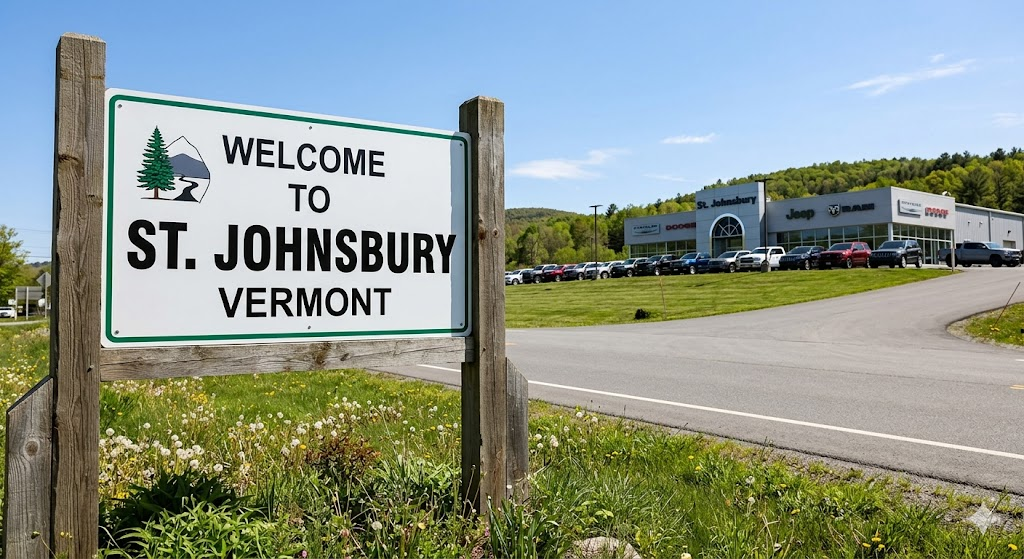
If you live in the Northeast Kingdom, you know that April isn’t just about showers and flowers—it’s the home stretch of Mud Season. As we hit April 30, the dirt roads are finally firming up, but your vehicle is likely wearing a thick “Vermont tuxedo” of dried mud and road salt.
While today marks the official end of National Car Care Month, for us in St. Johnsbury, it’s really the starting line for reclaiming our rides. Here are three things you should prioritize this week to ensure your car survives the transition to spring:
1. The “Deep Dive” Undercarriage Wash
Standard car washes are great for the hood and doors, but the real enemy is underneath. The combination of winter salt and spring mud can trap moisture against your frame, leading to rapid corrosion.
- Pro Tip: Don’t just spray the wheel wells. Make sure you’re getting a high-pressure rinse underneath to clear out the “mud cakes” that settle on your suspension components.
2. Pothole Patrol (Alignment & Suspension)
The frost heaves and potholes on our local roads have been working overtime this month. If you’ve noticed your steering wheel off-center or a new vibration when driving down Railroad Street, your alignment likely took a hit.
- Why it matters: Poor alignment doesn’t just feel bad—it eats through your tires and lowers your fuel efficiency.
3. Breathe Easy: Cabin Air Filter Swap
With the windows going down and the pollen starting to fly, don’t forget your cabin air filter. After a long Vermont winter of recirculating dry heater air and dust, a fresh filter makes a world of difference for your spring drives.
Is your vehicle ready for the NEK Spring? Don’t let the remnants of winter wear down your Jeep, Ram, or Dodge. Whether you need a deep-clean inspection or an alignment check, our team at St. Johnsbury Chrysler Dodge Jeep Ram is here to help.
A Look Back at April 29th in St. Johnsbury History


Here in St. Johnsbury, history runs deep—and April 29th marks a particularly fascinating moment in the story of our town.
Back on April 29, 1910, St. Johnsbury made Vermont history by hosting the first recorded airplane flight in the state. Taking place at the local fairgrounds, this early aviation milestone brought a sense of innovation and excitement to the Northeast Kingdom. Imagine the scene—residents gathering to witness something they had never seen before, as a fragile early aircraft lifted off the ground for the very first time in Vermont.
But the roots of St. Johnsbury go back even further. The town itself was officially organized in 1790, after being chartered in 1786 by Dr. Jonathan Arnold. From those early days, it steadily grew into one of the region’s most important economic centers.
By the 19th century, St. Johnsbury had become a thriving industrial hub, largely thanks to the success of the Fairbanks Scale Company. Known worldwide for its precision scales, the company helped put this small Vermont town on the global map and played a major role in shaping the local economy and community.
Today, while the industries and technologies may have changed, that same spirit of progress and innovation is still alive here. Whether it was launching the first flight in Vermont or building a world-renowned manufacturing legacy, St. Johnsbury has always been a place where big things happen.
And at St. Johnsbury CDJR, we’re proud to be part of that ongoing story—serving a community that’s been moving forward for over two centuries, just past the railroad tracks.
Connect with us


